avialae
|
||||||||||||||
|
|
|
||||||||||||
|
||||||||||||||





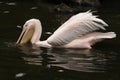
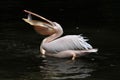
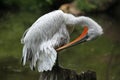

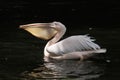
Stockphotos.ro (c) 2025. All stock photos are provided by Dreamstime and are copyrighted by their respective owners.
avialae |
||||||||||||||||||||||||||||||||||||||||
| navigate by keyword : 16th and are aves avialae beak become bird birds blooded but can century chambered characterised clade class considered developed egg eggs evolved extant extinct feathered feathers fly forelimbs four generally hard have heart high laying legged less lightweight metabolic moa modern more most rate recent shelled skeleton species strong teeth the two vertebrates warm was which winged wings with without |
||||||||||||||||||||||||||||||||||||||||
|
||||||||||||||||||||||||||||||||||||||||
| Birds (class Aves or clade Avialae) are feathered, winged, two-legged, warm-blooded, egg-laying vertebrates. Modern birds are characterised by feathers, a beak with no teeth, the laying of hard-shelled eggs, a high metabolic rate, a four-chambered heart, and a lightweight but strong skeleton. Extant birds have more or less developed wings; the most recent species without wings was the moa, which is generally considered to have become extinct in the 16th century. Wings are evolved forelimbs, and most bird species can fly. |
||||||||||||||||||||||||||||||||||||||||
|
Stockphotos.ro (c) 2025. All stock photos are provided by Dreamstime and are copyrighted by their respective owners. |
||||||||||||||||||||||||||||||||||||||||