anthropoidea
|
||||||||||||||
|
|
|
||||||||||||
|
||||||||||||||



Stockphotos.ro (c) 2025. All stock photos are provided by Dreamstime and are copyrighted by their respective owners.
anthropoidea |
||||||||||||||||||||||||||||||||||||||||
| navigate by keyword : absent animalia animals anthropoidea big brain callosity cheek class commonly curl developed flexible foot forelimbs from front gluteal hand handsome head higher hind hold king known like little majority mammalia many maybe monkey most narrow next orbit orbital other pouches primates prosimii relative separately short should spacing suborder tail taxa thumb towards |
||||||||||||||||||||||||||||||||||||||||
|
||||||||||||||||||||||||||||||||||||||||
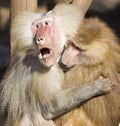
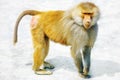
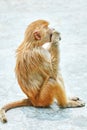
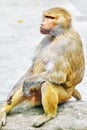
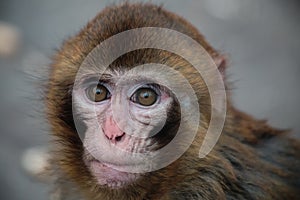
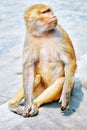
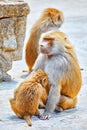
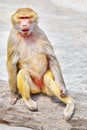
| The monkey is a commonly known as. Primates in many animals we call monkey. Primates are the class Mammalia 1 head. Animalia most higher taxa, the brain developed towards the front; orbit, orbital spacing narrow; the hand and foot toe (HSI) separately, the thumb is flexible, the majority can and other toe (HSI) to hold. Including the suborder Prosimii and anthropoidea. Prosimii face like fox; no cheek pouches and gluteal callosity; short forelimbs from the hind, the thumb and the big toe developed, with other finger ( toe) relative; tail should not curl or absent. |
||||||||||||||||||||||||||||||||||||||||
|
Stockphotos.ro (c) 2025. All stock photos are provided by Dreamstime and are copyrighted by their respective owners. |
||||||||||||||||||||||||||||||||||||||||