wakame and
|
||||||||||||||
|
|
|
||||||||||||
|
||||||||||||||





Stockphotos.ro (c) 2025. All stock photos are provided by Dreamstime and are copyrighted by their respective owners.
wakame and |
||||||||||||||||||||||||||||||||||||||||
| navigate by keyword : acid also been blood calcium capelin caviar certain comparison creating crunchy edible eggs eicosapentaenoic fatty fish flavour flying hair has high ikura intestinal iodine its japanese japanesecuisine japanesefood japanesekitchen known larger levels masago medicine menstrual mild most natural niacin often omega orange organs oriental purification ranging red regularity reproductive rich roe salad salads salmon salty sea seaweed served skin small smoky sodium soups source strength subtly sushi sweet taste texture than thiamine tobiko types use used vegetable wakame widely word |
||||||||||||||||||||||||||||||||||||||||
|
||||||||||||||||||||||||||||||||||||||||
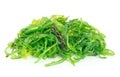
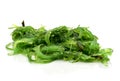
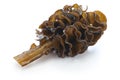
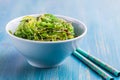
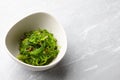
| Wakame is a sea vegetable, or edible seaweed. It has a subtly sweet flavour and is most often served in soups and salads. Wakame is a rich source of eicosapentaenoic acid, an omega-3 fatty acid. Wakame also has high levels of sodium, calcium, iodine, thiamine and niacin. In Oriental medicine it has been used for blood purification, intestinal strength, skin, hair, reproductive organs and menstrual regularity. Flying fish roe tobiko Orange / flying fish caviar -Tobiko is the Japanese word for flying fish roe. It is most widely known for its use in creating certain types of sushi. The eggs are small, ranging from 0.5 to 0.8 mm. For comparison, tobiko is larger than masago & x28;capelin roe& x29;, but smaller than ikura & x28;salmon roe& x29;. Natural tobiko has a red-orange color, a mild smoky or salty taste, and a crunchy texture. |
||||||||||||||||||||||||||||||||||||||||
|
Stockphotos.ro (c) 2025. All stock photos are provided by Dreamstime and are copyrighted by their respective owners. |
||||||||||||||||||||||||||||||||||||||||