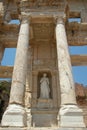
statue arete celsus library ephesus
|
||||||||||||||
|
|
|
||||||||||||
|
||||||||||||||











Stockphotos.ro (c) 2026. All stock photos are provided by Dreamstime and are copyrighted by their respective owners.
statue arete celsus library ephesus |
||||||||||||||||||||||||||||||||||||||||
| navigate by keyword : act adeg also ancient any appearance arete basic bound concept earliest efes ephesus excellence fulfillment full function greek harabeleri its kind1 living may mean moral most notion ones potential purpose refers selasect sense term that this thought turkey ultimately virtue1 was zmir |
||||||||||||||||||||||||||||||||||||||||
|
||||||||||||||||||||||||||||||||||||||||
| Arete Greek: á¼â¬ÃÂõÃâî is a concept in ancient Greek thought that, in its most basic sense, refers to `excellence` of any kind.[1] The term may also mean `moral virtue`.[1] In its earliest appearance in Greek, this notion of excellence was ultimately bound up with the notion of the fulfillment of purpose or function: the act of living up to one`s full potential. |
||||||||||||||||||||||||||||||||||||||||
|
Stockphotos.ro (c) 2026. All stock photos are provided by Dreamstime and are copyrighted by their respective owners. |
||||||||||||||||||||||||||||||||||||||||