sanssouci palace potsdam germany

navigate by keyword : berlin buildings collection frederick gardens germany great including king near notable numerous official palace park pavilions potsdam prussia rococo sanssouci style summer summits surrounds temples

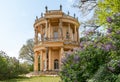
The Belvedere Klausberg in the public park of Sanssouci Palace in Potsdam, Germany Royalty Free Stock Photo
Statue in the garden of Sanssouci palace in Potsdam, Germany Royalty Free Stock Photo
Mandarin Duck in Sanssouci palace in Potsdam, Germany Royalty Free Stock Photo
Statue in the garden of Sanssouci palace in Potsdam, Germany Royalty Free Stock Photo
Courtyard of Sanssouci palace, Potsdam, Germany Royalty Free Stock Photo
Belvedere on the Klausberg in the public park of Sanssouci Palace in Potsdam, Germany Royalty Free Stock Photo
Sanssouci palace, Potsdam, Germany
Mandarin Duck in front of Weinbergterrassen terraces and Sanssouci palace in Potsdam, Germany Royalty Free Stock Photo
Belvedere on the Klausberg in the public park of Sanssouci Palace in Potsdam, Germany Royalty Free Stock Photo
Frederick the Great wanted to cultivate plums, figs and wine on Potsdam’s doorstep. In 1744, he had a terraced garden designed in Sanssouci Park for this reason. But, due to the exceptionally beautiful view, the idea crossed the king’s mind of a large summer residence above the terraces just a year later. In addition, the New Palace and the picture gallery were constructed in subsequent years, while the slopes of the castle were used as flower and vegetable gardens. Today, you will also find Frederick II’s tomb on the castle hill. On the pile of ruins to the north of the castle, artificial sections of ruins were grouped into a staffage of the art of the ancient world, which concealed a water basin at the same time. Fountains in the park were to be supplied with water from this. The king was attached above all to the lavish waterworks, which he could only enjoy once in the end, as the system only worked properly after the construction of the steam engine building in the 19th century. The baroque garden, which had gone out of fashion in the meantime, was redesigned in the style of a landscape park under Frederick the Great’s successors and was expanded by Frederick William IV by structures such as Charlottenhof Castle, the orangery and the Roman Baths. They were to bring part of Italy to his native country for him. It is a matter of fact that the castles in Sanssouci Park are a breathtaking backdrop for events such as the Potsdam court concerts or the musical festivals.


Stockphotos.ro (c) 2025. All stock photos are provided by Dreamstime and are copyrighted by their respective owners.