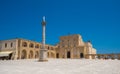
sanctuary basilica santa maria leuca puglia

navigate by keyword : borders boulder bronze cape carparo charm christianity church doors entrance europe extremes faith ade finibus geographical holy italy land last lecce leuca maria monolithic pavement people pilgrims puglia religion sanctuary santa sea ships sky stone stood strip terrae threshold walls

Sanctuary of Basilica Santa Maria di Leuca, Colonna Mariana in San Giovani XXIII Square, Puglia, Italy. Royalty Free Stock Photo
Sanctuary of Basilica Santa Maria di Leuca, Puglia Royalty Free Stock Photo
Sanctuary of Basilica Santa Maria di Leuca, San Giovani XXIII Square, Puglia, Italy. Royalty Free Stock Photo
Sanctuary of Basilica Santa Maria di Leuca, Colonna Mariana in San Giovani XXIII Square, Puglia, Italy. Royalty Free Stock Photo
Sanctuary of Santa Maria di Leuca. Puglia. Italy. Royalty Free Stock Photo
Sanctuary of Basilica Santa Maria di Leuca, Puglia
Sanctuary of Santa Maria di Leuca, Puglia, Italy Royalty Free Stock Photo
Sanctuary of Santa Maria di Leuca (Puglia - Italy) Royalty Free Stock Photo
Sanctuary of Santa Maria di Leuca. Puglia. Italy. Royalty Free Stock Photo
The Sanctuary of Santa Maria De Finibus Terrae stands where that last strip of Italy borders the sea. The sanctuary of Santa Maria di Leuca is full of charm: like all geographical extremes, it represents a threshold not only with the open sea, but with the unknown and the infinite. The Cape of Leuca was full of pilgrims’ ships travelling to the Holy Land and leaving Italy from here. The current appearance of the sanctuary dates back to 1720, with its sober Carparo or Lecce stone façade and bronze doors made for the Jubilee of 2000 by the sculptor Armando Marrocco. At the entrance on the right, a monolithic boulder reminds us that a pagan temple once stood here, before the people converted to Christianity as early as the 1st century and built a church, which was destroyed following Diocletian`s edict and the persecution of Christians, and then rebuilt and destroyed again first by the Saracens and then by the Turks, and lastly rebuilt. Puglia, Italy, Europe.


Stockphotos.ro (c) 2025. All stock photos are provided by Dreamstime and are copyrighted by their respective owners.