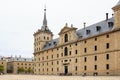
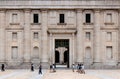
royal seat san lorenzo escorial group school children spain
|
||||||||||||||
|
|
|
|
||||||||||||
|
|
||||||||||||||

Stockphotos.ro (c) 2025. All stock photos are provided by Dreamstime and are copyrighted by their respective owners.
royal seat san lorenzo escorial group school children spain |
||||||||||||||||||||||||||||||||||||||||
| navigate by keyword : abbey architectural architecture artistic augustine building catholic child children class classical cultural culture escorial europe european excursion group heritage hieronymite historic historical history iberian important kid kids king lorenzo main monarch monasterio monastery monk monks monument order palace peninsula people prominent religion religious renaissance residence royal saint san school sitio spain spanish square study teach teacher teaching tourism tourist touristic tourists tower towers town travel uniform urban visitor visitors |
||||||||||||||||||||||||||||||||||||||||
|
||||||||||||||||||||||||||||||||||||||||
| San Lorenzo de El Escorial is located on the southern slopes of the Mount Abantos and the Monastery of El Escorial is the most prominent building in the town and is one of the main Spanish Renaissance monuments. El Escorial, or the Royal Site of San Lorenzo de El Escorial in Spanish Monasterio y Sitio de El Escorial en Madrid or Monasterio del Escorial, is a historical residence of the King of Spain. El Escorial is of great historical and cultural significance and was both a Spanish royal palace and a monastery, although Philip II is the only monarch who ever lived in the main building. Established with a community of Hieronymite monks, it has become a monastery of the Order of Saint Augustine. A group of school children has gathered near one of the entrances. |
||||||||||||||||||||||||||||||||||||||||
|
Stockphotos.ro (c) 2025. All stock photos are provided by Dreamstime and are copyrighted by their respective owners. |
||||||||||||||||||||||||||||||||||||||||