rhus glabra

navigate by keyword : red leaf flower petal plant autumn nature invertebrate branch insect animal tree pink produce food reflection blossom

Smooth sumac or Rhus glabra blossom and leaves Royalty Free Stock Photo
Smooth Sumac, Rhus glabra, Anacardiaceae — Cashew family Royalty Free Stock Photo
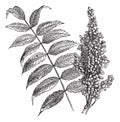
Smooth sumac Rhus glabra, vintage engraving Royalty Free Stock Photo
Rhus glabra, the smooth sumac Royalty Free Stock Photo
Smooth Sumac or Rhus glabra red berries. Osoyoos, BC, Canada Royalty Free Stock Photo
Leaves of Rhus Glabra `Smooth Sumach`. Sumac in the family Anacardiaceae. Art background Royalty Free Stock Photo
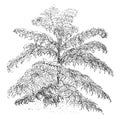
Rhus Glabra Laciniata vintage illustration Royalty Free Stock Photo
Rhus glabra
Rhus glabra, the smooth sumac Royalty Free Stock Photo
Smooth sumac or Rhus glabra blossom and leaves Royalty Free Stock Photo
Closeup of growing Rhus glabra Royalty Free Stock Photo
Leaves of Rhus Glabra `Smooth Sumach`. Sumac in the family Anacardiaceae. Art magenta background Royalty Free Stock Photo
Closeup of Rhus glabra - Smooth Sumac, Scarlet Sumac. Royalty Free Stock Photo
Caterpillars on Rhus Glabra (Smooth Sumac) Bush. Royalty Free Stock Photo
Rhus glabra, the smooth sumac,[2] (also known as white sumac, upland sumac, or scarlet sumac)[3] is a species of sumac in the family Anacardiaceae, native to North America, from southern Quebec west to southern British Columbia in Canada, and south to northern Florida and Arizona in the United States and Tamaulipas in northeastern Mexico.Smooth sumac has a spreading, open habit, growing up to 3 m (9.8 ft) tall, rarely to 5 m (16 ft). The leaves are alternate, 30–50 cm (12–20 in) long, compound with 11–31 oppositely paired leaflets, each leaflet 5–11 cm (2–4+1?4 in) long, with a serrated margin. The leaves turn scarlet in the fall. The flowers are tiny, green, produced in dense erect panicles 10–25 cm (4–10 in) tall, in the spring, later followed by large panicles of edible crimson berries that remain throughout the winter. The buds are small, covered with brown hair and borne on fat, hairless twigs. The bark on older wood is smooth and grey to brown.


Stockphotos.ro (c) 2025. All stock photos are provided by Dreamstime and are copyrighted by their respective owners.