rhinoceroses park

navigate by keyword : africa african animal armor background big black ceratotherium conservation creature dangerous eating endangered fauna feeding five grass grazing green grey heavy herbivore horn horned horns huge isolated kenya landscape large male mammal national nature one outdoor outdoors park photography poaching reserve rhino rhinoceros rhinocerotidae rough safari savannah skin south species stallion standing strength strong tourism walking white wild wilderness wildlife zoo

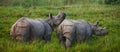
Two Wild Great one-horned rhinoceroses in a national park. Royalty Free Stock Photo
Two rhinoceroses feeding on ground at Attica Zoological Park in Athens, Greece. Royalty Free Stock Photo
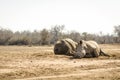
Two rhinoceroses in Hlane Royal National Park in eSwatini in Southern Africa Royalty Free Stock Photo
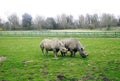
Rhinoceroses in the nature park in UK Royalty Free Stock Photo
A collision between two large Indian Rhinoceroses in the animal park Blijdorp in Rotterdam Royalty Free Stock Photo
Rhinoceroses in a park
Two Wild Great one-horned rhinoceroses in a national park. Royalty Free Stock Photo
Great Asian Rhinoceroses walking in a national park, India Royalty Free Stock Photo
Rhinoceroses eating grass in Cabarceno Natural Park in Cantabria Royalty Free Stock Photo
Two Wild Great one-horned rhinoceroses in a national park. Royalty Free Stock Photo
Rhinoceroses are some of the largest remaining megafauna: all weigh at least one tonne in adulthood. They have a herbivorous diet, small brains 400–600 g for mammals of their size, one or two horns, and a thick 1.5–5 cm, protective skin formed from layers of collagen positioned in a lattice structure. They generally eat leafy material, although their ability to ferment food in their hindgut allows them to subsist on more fibrous plant matter when necessary. Unlike other perissodactyls, the two African species of rhinoceros lack teeth at the front of their mouths; they rely instead on their lips to pluck food.[1] Rhinoceros are killed by poachers for their horns, which are bought and sold on the black market for high prices, leading to most living rhinoceros species being considered endangered. The contemporary market for rhino horn is overwhelmingly driven by China and Vietnam, where it is bought by wealthy consumers to use in traditional Chinese medicine, among other uses.


Stockphotos.ro (c) 2025. All stock photos are provided by Dreamstime and are copyrighted by their respective owners.