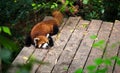
red panda the zoo chengdu china

navigate by keyword : ailuridae ailurus along animal arboreal bamboo bear because brown chengdu china classification classified closely continues depression during dusk endangered estimated feeds forest fragmentation gait genus giant grass habitat himalayas inbreeding individuals insects iucn larger lesser loss mammal mature musteloidea nature panda pandas phylogenetic placed poaching population previously protected raccoon recognized reddish religion sedentary shaggy skunk solitary species subspecies superfamily tail taxonomic tourism travel tree waddling weasel wild

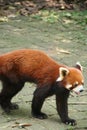
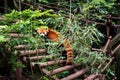
red panda in a zoo in chengdu (china) Royalty Free Stock Photo
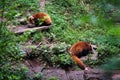
Red Panda at the zoo in Chengdu, China Royalty Free Stock Photo
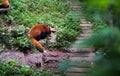
red panda - chengdu - china Royalty Free Stock Photo
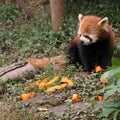
Baby red panda eyeing the pumpkin pieces at Chengdu Zoo in Sichuan, China. Royalty Free Stock Photo
Red Panda at the zoo in Chengdu, China Royalty Free Stock Photo
Red Panda at the zoo in Chengdu, China
Red panda in Chengdu China Royalty Free Stock Photo
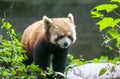
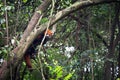
Red panda in the tree in Chengdu China Royalty Free Stock Photo
Red Panda at the zoo in Chengdu, China Royalty Free Stock Photo
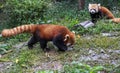
Red panda feeding outdoors in Chengdu city in China Royalty Free Stock Photo
Red panda in Chengdu China Royalty Free Stock Photo
This picture is taken at the zoo in Chengdu, China. The red panda Ailurus fulgens, also called the lesser panda, the red bear-cat, and the red cat-bear, is a mammal native to the eastern Himalayas and southwestern China. It has reddish-brown fur, a long, shaggy tail, and a waddling gait due to its shorter front legs; it is slightly larger than a domestic cat. It is arboreal, feeds mainly on bamboo, but also eats eggs, birds, and insects. It is a solitary animal, mainly active from dusk to dawn, and is largely sedentary during the day. The red panda has been classified as Endangered by the IUCN because its wild population is estimated at less than 10,000 mature individuals and continues to decline due to habitat loss and fragmentation, poaching, and inbreeding depression, although red pandas are protected by national laws in their range countries. The red panda is the only living species of the genus Ailurus and the family Ailuridae. It has been previously placed in the raccoon and bear families, but the results of phylogenetic analysis provide strong support for its taxonomic classification in its own family Ailuridae, which, along with the weasel, raccoon and skunk families is part of the superfamily Musteloidea. Two subspecies are recognized. It is not closely related to the giant panda.


Stockphotos.ro (c) 2026. All stock photos are provided by Dreamstime and are copyrighted by their respective owners.