protein
|
||||||||||||||
|
|
|
||||||||||||
|
||||||||||||||











Stockphotos.ro (c) 2025. All stock photos are provided by Dreamstime and are copyrighted by their respective owners.
protein |
||||||||||||||||||||||||||||||||||||||||
| navigate by keyword : adenosine adp atp atpase bilayer bind biomarker buffer cation cd38 cell cellular closed complex concentration conformation cytoplasm cytosol dephosphorylation diagnosis diphosphate excitation excitement extracelular illustration impulse ion membrane nerve nervous opened phosphate phospholipid phosphorylation potassium protein pump ratio simple simplified sketch sodium space surface transfer transport transporter triphosphate |
||||||||||||||||||||||||||||||||||||||||
|
||||||||||||||||||||||||||||||||||||||||
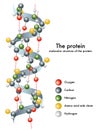
| Proteins are large biological molecules, or macromolecules, consisting of one or more long chains of amino acid residues. Proteins perform a vast array of functions within living organisms, including catalyzing metabolic reactions, replicating DNA, responding to stimuli, and transporting molecules from one location to another. Proteins differ from one another primarily in their sequence of amino acids, which is dictated by the nucleotide sequence of their genes, and which usually results in folding of the protein into a specific three-dimensional structure that determines its activity. |
||||||||||||||||||||||||||||||||||||||||
|
Stockphotos.ro (c) 2025. All stock photos are provided by Dreamstime and are copyrighted by their respective owners. |
||||||||||||||||||||||||||||||||||||||||