palazzo pitti
|
||||||||||||||
|
|
|
||||||||||||
|
||||||||||||||









Stockphotos.ro (c) 2026. All stock photos are provided by Dreamstime and are copyrighted by their respective owners.
palazzo pitti |
||||||||||||||||||||||||||||||||||||||||
| navigate by keyword : 1458 1549 amassed ambitious and arno banker became bought called chief core dates distance duchy english families family florence florentine from generations grand great grew house italy jewelry later luca luxurious mainly medici nnthe originally paintings palace palazzo pitti plates ponte possessions present renaissance residence river ruling short side situated sometimes south the town treasure tuscany vast vecchio was |
||||||||||||||||||||||||||||||||||||||||
|
||||||||||||||||||||||||||||||||||||||||
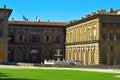
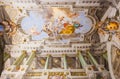
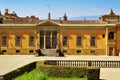
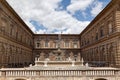
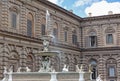
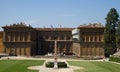
| In English sometimes called the Pitti Palace, is a vast mainly Renaissance palace in Florence, Italy. It is situated on the south side of the River Arno, a short distance from the Ponte Vecchio. The core of the present palazzo dates from 1458 and was originally the town residence of Luca Pitti, an ambitious Florentine banker.nnThe palace was bought by the Medici family in 1549 and became the chief residence of the ruling families of the Grand Duchy of Tuscany. It grew as a great treasure house as later generations amassed paintings, plates, jewelry and luxurious possessions.n |
||||||||||||||||||||||||||||||||||||||||
|
Stockphotos.ro (c) 2026. All stock photos are provided by Dreamstime and are copyrighted by their respective owners. |
||||||||||||||||||||||||||||||||||||||||