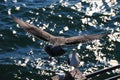
pacific seagull flight

navigate by keyword : adult age attain bills but calls carnivores coastal composed consume crabs densely down eggs feet fish four full grey ground harsh hatching head headed herring inland inquisitive intelligent jaws larger lay lived long longish markings maximum medium mobile most mottled nest nesting nests noisy opportunistically out packed plumage precocial prey rarely recorded resourceful sea small speckled squawking stout three typical unhinging usually vegetation venturing wailing webbed white wings young

Seagull in Flight over Pacific Ocean with Sun Reflections Royalty Free Stock Photo
A Pacific Ocean Seagull In Flight Royalty Free Stock Photo
Seagull in flight over pacific ocean Royalty Free Stock Photo
Seagull in Flight at Sunset over the Pacific Ocean near the Rocky Shoreline Royalty Free Stock Photo
Gull in flight passing fishing boats, Paracas, Peru. Royalty Free Stock Photo
Seagull in Flight over Pacific Royalty Free Stock Photo
Pacific Seagull in Flight
Gray Seagull in Flight with Water Royalty Free Stock Photo
Seagull cloud flight horizon ocean Royalty Free Stock Photo
Seagull in flight Royalty Free Stock Photo
Pacific Seagull in FLight Royalty Free Stock Photo
Soaring Seagull Above Sparkling San Diego Coastline A Stunning Display of Californias Pacific Beauty Royalty Free Stock Photo
Gulls are typically medium to large birds, usually grey or white, often with black markings on the head or wings. They typically have harsh wailing or squawking calls, stout, longish bills, and webbed feet. Most gulls, particularly Larus species, are ground-nesting carnivores, which take live food or scavenge opportunistically. Live food often includes crabs and small fish. Gulls have unhinging jaws which allow them to consume large prey. Apart from the kittiwakes, gulls are typically coastal or inland species, rarely venturing far out to sea. The large species take up to four years to attain full adult plumage, but two years is typical for small gulls. Large white-headed gulls are typically long-lived birds, with a maximum age of 49 years recorded for the herring gull. Gulls nest in large, densely packed noisy colonies. They lay two or three speckled eggs in nests composed of vegetation. The young are precocial, being born with dark mottled down, and mobile upon hatching. Gulls—the larger species in particular—are resourceful, inquisitive and intelligent birds, demonstrating complex methods of communication and a highly developed social structure. For example, many gull colonies display mobbing behaviour, attacking and harassing would-be predators and other intruders.


Stockphotos.ro (c) 2025. All stock photos are provided by Dreamstime and are copyrighted by their respective owners.