oedipoda germanica

navigate by keyword : animals bug common dobrogea europe family fly from genus germanica grasshopper grasshoppers hemimetabolous herbivorous insect insects legs locusts nature oedipoda species type

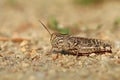
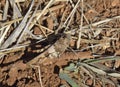
Closeup on a European red-winged grasshopper, Oedipoda germanica sitting on a stone Royalty Free Stock Photo
Red wing locust Oedipoda germanica Royalty Free Stock Photo
Red-winged grasshopper, Oedipoda germanica Royalty Free Stock Photo
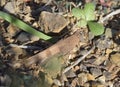
Closeup shot of a Oedipoda germanica on the ground Royalty Free Stock Photo
Desert grasshopper on sandy ground in natural environment Royalty Free Stock Photo
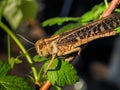
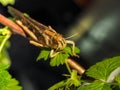
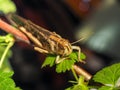
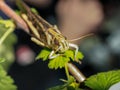
Beige black locust, on a green leaf, photographed close Royalty Free Stock Photo
Oedipoda cf germanica
Closeup on a Mediterranean red-winged grasshoper, Oedipoda germanica sitting on stone Royalty Free Stock Photo
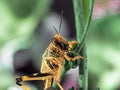
Red-winged Grasshopper Royalty Free Stock Photo
Beige black locust, on a green leaf, photographed close Royalty Free Stock Photo
Red-winged Grasshopper Royalty Free Stock Photo
Oedipoda is a genus of grasshoppers. A grasshopper is a common type of herbivorous insect. They are likely the oldest living group of chewing herbivorous insects, dating back to the early Triassic around 250 million years ago. Grasshoppers are typically ground-dwelling insects with powerful hind legs which enable them to escape from threats by leaping vigorously. They are hemimetabolous insects they do not undergo complete metamorphosis which hatch from an egg into a nymph or `hopper` which undergoes five moults, becoming more similar to the adult insect at each developmental stage. At high population densities and under certain environmental conditions, some grasshopper species can change colour and behaviour and form swarms. Under these circumstances they are known as locusts.


Stockphotos.ro (c) 2026. All stock photos are provided by Dreamstime and are copyrighted by their respective owners.