nettle view from above

navigate by keyword : plant flower leaf herb shrub green wildflower evergreen branch food grass nettles medical ampoule upper ampulla most harmless species urtica view above

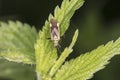
Insect on the leaves of nettle, view from above Royalty Free Stock Photo
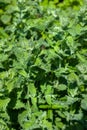
green nettle mint leaves, view above Royalty Free Stock Photo
Creative layout of nettle leaves with space for text on white paper. Mockup. View from above. Royalty Free Stock Photo
Above view of herbal tea made of dry Urtica dioica, known as common nettle. Royalty Free Stock Photo
Green fresh herbs in on a gray concrete background. Nettle, dandelion, lettuce, green onion. View from above. Royalty Free Stock Photo
Nettle. View from above
Above view of herbal tea made of dry Urtica dioica, known as common nettle. Royalty Free Stock Photo
Young Nettle plant - above view Royalty Free Stock Photo
Beautiful background of medicated nettle with a matte effect. View from above Royalty Free Stock Photo
The top of the nettle is a close-up outdoor view from above Royalty Free Stock Photo
Nettle bush. Nettle leaves. View from above. Royalty Free Stock Photo
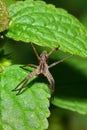
Macro view from above of a brown-gray wolf-spider Arachnida on a Royalty Free Stock Photo
Abstract background of above view of Painted nettle or Coleus. Royalty Free Stock Photo
Many types of nettles protect themselves from herbivores with stinging hairs located on all parts of the plant. Each hair is a large cell, shaped like a medical ampoule. The upper part of the "ampulla" protrudes beyond the surrounding cells of the outer surface of the plant. This tip contains silicon salts. Even with a slight impact, the tip breaks, the sharp end penetrates the skin, and the contents of the cell enter the animal's body. Cell sap contains histamine, choline and formic acid, the effect of which is manifested by the sensation of a sharp "burn" at the point of touching the plant.Most stinging nettle burns are relatively harmless, but several tropical species are known to be very painful and even fatal to touch (Urtica ferox, a nettle tree from New Zealand).


Stockphotos.ro (c) 2025. All stock photos are provided by Dreamstime and are copyrighted by their respective owners.