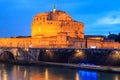
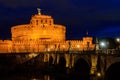
the mausoleum hadrian known castel sant angelo rome
|
||||||||||||||
|
|
|
||||||||||||
|
||||||||||||||




Stockphotos.ro (c) 2026. All stock photos are provided by Dreamstime and are copyrighted by their respective owners.
the mausoleum hadrian known castel sant angelo rome |
||||||||||||||||||||||||||||||||||||||||
| navigate by keyword : 1900 act adriano angel benvenuto bruno building cagliostro castel castels castle cellini charlatan courtyard cylindrical death eponymous executions giacomo giordano goldsmith hadrian her heroine holy imprisoned inner italy known leaps magician mausoleum opera other papal parco performed prison prisoners puccinis ramparts rome santangelo sculptor setting six small state there third tosca towering used usually was were years |
||||||||||||||||||||||||||||||||||||||||
|
||||||||||||||||||||||||||||||||||||||||
| The Mausoleum of Hadrian, usually known as Castel Sant`Angelo, Castle of the Holy Angel, is a towering cylindrical building in Parco Adriano, Rome, Italy. The Papal state used Sant`Angelo as a prison; Giordano Bruno was imprisoned there for six years. Other prisoners were the sculptor and goldsmith Benvenuto Cellini and the magician and charlatan Cagliostro. Executions were performed in the small inner courtyard. It was the setting for the third act of Giacomo Puccini`s 1900 opera Tosca; the eponymous heroine leaps to her death from the Castel`s ramparts. |
||||||||||||||||||||||||||||||||||||||||
|
Stockphotos.ro (c) 2026. All stock photos are provided by Dreamstime and are copyrighted by their respective owners. |
||||||||||||||||||||||||||||||||||||||||