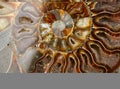
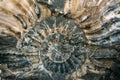
macro texture cephalopod fossil

navigate by keyword : lake bed silt fossils rock mineral gemstone gem geology stone cephalopods squids octopus size colossal ton invertebrates organism record ammonoids belemnoids nautiloids orthoceratoids teuthids endocerid grey white chalk

Nautilus shell section, Ammonite fossil shell art backdrop. Ancient macro abstract texture Background Royalty Free Stock Photo
Macro shot of a textured ammonite fossil shell showcasing a tight spiral pattern. Captivating fossil for education, science, Royalty Free Stock Photo
ammonite fossil texture Royalty Free Stock Photo
Ammonite fossil texture Royalty Free Stock Photo
Ammonites fossil shell large spiral - extinct subclass of cephalopod mollusks Royalty Free Stock Photo
ammonite fossil texture Royalty Free Stock Photo
Macro Texture of a Cephalopod Fossil
Stunning spiral ammonite fossil on bright white Royalty Free Stock Photo
Ammonites fossil shell large spiral - extinct subclass of cephalopod mollusks Royalty Free Stock Photo
ammonite fossil texture Royalty Free Stock Photo
Close up Macro Shot of Ammonite Fossil Cross Section Royalty Free Stock Photo
Ancient Spiral Ammonite Fossil in Rock Royalty Free Stock Photo
ammonite fossil texture Royalty Free Stock Photo
Cephalopods, which include squids and octopuses, vary enormously in size. The smallest are only about 1 centimetre long and weigh less than 1 gram at maturity, while the giant squid can exceed 10 metres 33 in length and the colossal squid weighs close to half a ton , making them the largest living invertebrates. Certain cephalopod species are also noted for having individual body parts of exceptional size.Cephalopods were at one time the largest of all organisms on Earth,and numerous species of comparable size to the largest present day squids are known from the fossil record, including enormous examples of ammonoids, belemnoids, nautiloids, orthoceratoids, teuthids, and vampyromorphids. In terms of mass, the largest of all known cephalopods were likely the giant shelled ammonoids and endocerid nautiloids, though perhaps still second to the largest living cephalopods when considering tissue mass alone.


Stockphotos.ro (c) 2025. All stock photos are provided by Dreamstime and are copyrighted by their respective owners.