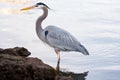
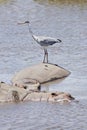
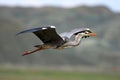
grey heron

navigate by keyword : abdomen adult animal appears ardea avian back banks bill bird birds black breast calls cinerea class coasts cold crest croaking deep edge eye feather feathers feet flight gooselike gray grey guttural head heavy heron heronidae herons horn horns independent inhabit iris juveniles lakes large longitudinal mouth name nature neck pattern ponds rest rivers scientific severe shallow slender solitary species spot spots streams stripes swamp thoracic wading waters waterside white wildlife wind wing winter yellow yellowgreen

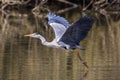
Grey Heron Royalty Free Stock Photo
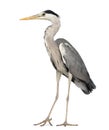
Grey Heron standing, Ardea Cinerea, 5 years old Royalty Free Stock Photo
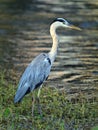
Grey Heron Ardea cinerea Royalty Free Stock Photo
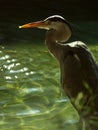
Grey heron Royalty Free Stock Photo
Grey heron, Ardea cinerea, in nest with four eggs, nesting time Royalty Free Stock Photo
Grey Heron Royalty Free Stock Photo
Grey heron Royalty Free Stock Photo
Grey Heron
Grey heron (Ardea cinerea) Royalty Free Stock Photo
Grey heron Royalty Free Stock Photo
Grey Heron Royalty Free Stock Photo
Grey heron Royalty Free Stock Photo
Grey Heron (Ardea cinerea) foraging in its natural habitat Royalty Free Stock Photo
Grey Heron (Ardea cinerea) foraging in a small swamp Royalty Free Stock Photo
Grey Heron Royalty Free Stock Photo
Grey Heron scientific name: Ardea cinerea: It is a wading bird of the class Avian, Heronidae and Heron, and is also the type species of Heron. The head, neck, feet and mouth are all very long, so the body appears slender. Its upper body is mainly gray, and its abdomen is white. Adult bird`s eye pattern and crest feathers are black, flight feathers, wing horns and two thoracic spots are black, head, neck, breast and back are white, the neck has black longitudinal stripes, and the rest is gray. The head and neck of juveniles are heavy gray, but not black. Iris yellow bill yellow-green feet black. Calls: Deep guttural croaking and goose-like calls. Large waterside birds, inhabit the banks of rivers, streams, lakes, ponds, coasts and other waters and their shallow waters. They are solitary. In severe winter, you can often see herons in the independent cold wind on the edge of the swamp.


Stockphotos.ro (c) 2025. All stock photos are provided by Dreamstime and are copyrighted by their respective owners.