ginza tokyo japan
|
||||||||||||||
|
|
|
||||||||||||
|
||||||||||||||







Stockphotos.ro (c) 2026. All stock photos are provided by Dreamstime and are copyrighted by their respective owners.
ginza tokyo japan |
||||||||||||||||||||||||||||||||||||||||
| navigate by keyword : abstract billboards boutiquesbrand bustling capital center chanel chochome chuoku cities city civilians civilization coffeehouse color commercial confused conservation department desire dior direction district downtown east economy energy environment famous fantasy fashion ginza glass gucci high house japan japanese lost louis luxurious luxury machi model modern neon old people post posters psychedelic restaurant shop shopping shops shopwindow silver space speed stores street taxis tokyo transport travel upscale vuitton wako walking |
||||||||||||||||||||||||||||||||||||||||
|
||||||||||||||||||||||||||||||||||||||||
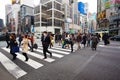
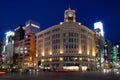
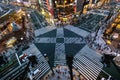
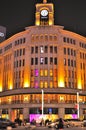
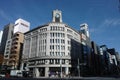
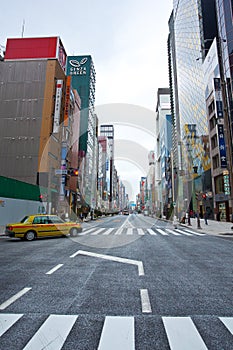
| Ginza, a district in Chuo-ku, is one of the most famous downtown areas in Japan. Ginza means silver mint, and its name derives from the silver-coin mint established there in the 1600s, where well-established Japanese shops and famous brand name shops from around the world stand side by side on Chuo-dori, the district's main street, Namiki-dori which runs parallel to Chuo-dori, Suzuran-dori and other streets. The Kabuki-za Theaterââ¬Â», where the Japanese traditional theatrical art known as Kabuki is performed, is located to the west of the intersection at 4-Chome, on the way towards the neighboring Tsukiji district. |
||||||||||||||||||||||||||||||||||||||||
|
Stockphotos.ro (c) 2026. All stock photos are provided by Dreamstime and are copyrighted by their respective owners. |
||||||||||||||||||||||||||||||||||||||||