galapagos giant tortoise

navigate by keyword : 100 150 400 900 adaptations archipelago beak like biodiversity bodies brown cacti charles conservation dark darwin diet dome shaped ecosystem ecuador endangered endemic environmental evolution eyes feet gal pagos giant grass grayish black habitat head heavy herbivore herbivorous impact islands land largest leaves legs long longevity massive metabolism meters mouth movements mph national necks parks populations pounds predators protection reptile shell slow moving small soulful species sturdy theory thick tortoise tortoises unique variations vegetation years

Galapagos giant tortoise Royalty Free Stock Photo
Galapagos giant tortoise eats messily Royalty Free Stock Photo
Galapagos Giant Tortoise Royalty Free Stock Photo
GALAPAGOS GIANT TORTOISE Royalty Free Stock Photo
Galapagos giant tortoise (Chelonoidis nigra) Royalty Free Stock Photo
Galapagos giant tortoise Royalty Free Stock Photo
Galapagos Giant Tortoise
Galapagos giant tortoise (Chelonoidis nigra) Royalty Free Stock Photo
Galapagos Giant Tortoise eating grass Royalty Free Stock Photo
Galapagos giant tortoise Royalty Free Stock Photo
Galapagos giant tortoise with young woman blurred in background Royalty Free Stock Photo
Galapagos Giant Tortoise Royalty Free Stock Photo
Galapagos giant tortoise on Santa Cruz Island in Galapagos National Park, Ecuador Royalty Free Stock Photo
Galapagos giant tortoise Royalty Free Stock Photo
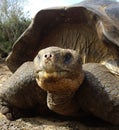
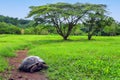
The Galápagos mockingbird (Mimus parvulus) is a species endemic to the Galápagos Islands. It is one of four species of mockingbirds found on the islands and is known for its adaptive behavior and ability to thrive in diverse habitats. Charles Darwin observed these birds during his voyage, noting their subtle differences across the islands, which contributed to his ideas on natural selection.The Galápagos giant tortoise is one of the largest tortoises in the world, known for its massive, dome-shaped shell and slow, lumbering movements. They can weigh up to 900 pounds (400 kg) and reach lengths of 4-5 feet (1.2-1.5 meters). Their large shells are usually dark brown or grayish-black, providing protection from predators. These tortoises have thick, sturdy legs to support their heavy bodies and long necks that help them reach vegetation like cacti, grass, and leaves.Their faces are characterized by a relatively small head with dark, soulful eyes, and a beak-like mouth that is adapted to their herbivorous diet. They are incredibly slow-moving, averaging a speed of only about 0.3 km h (0.2 mph), and are known for their longevity, often living over 100 years, with some recorded at over 150 years old.The Galápagos giant tortoise is iconic for its role in shaping Charles Darwin’s theory of evolution, as populations of these tortoises vary slightly depending on the specific islands they inhabit within the Galápagos Archipelago.


Stockphotos.ro (c) 2026. All stock photos are provided by Dreamstime and are copyrighted by their respective owners.