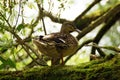
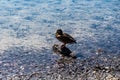
duck sitting tree trunk

navigate by keyword : 18mm admirable alluring angelic animal appealing back beauteous beautiful bewitching blue charming classy comely cute dazzling delicate delightful divine duck elegant enticing excellent exquisite fair fascinating fine flamingo fleming flemish formed foxy good gorgeous graceful grand green handsome ideal ladybird ladybug leaf looking lot lovely magnificent marvelous nice pleasing pretty pulchritudinous radiant ravishing refined resplendent river rock sea shapely sightly sights sitting splendid statuesque stunning sublime superb symmetrical tree trunk well wonderful

Male Mallard Duck sitting on a tree trunk with reflection in the lake Royalty Free Stock Photo
Duck sitting on a tree trunk in front of water Royalty Free Stock Photo
Wild duck sitting on a tree trunk Royalty Free Stock Photo
Mallard Duck mother and babies sitting on the tree trunk reflected on the water with green foreground and background, Royalty Free Stock Photo
a wild duck sitting on a fallen tree trunk in a pond covered with green duckweed Royalty Free Stock Photo
Duck on the trunk of tree Royalty Free Stock Photo
Duck sitting on a tree trunk
Duck sitting Royalty Free Stock Photo
Wild ducks sitting on a tree trunk in water Royalty Free Stock Photo
Couple of duck stands on the tree trunk Royalty Free Stock Photo
Duck stands on a tree trunk in the river Royalty Free Stock Photo
Wild ducks sitting on tree trunk Royalty Free Stock Photo
Wood duck on a tree trunk Royalty Free Stock Photo
Duck male sitting on a tree thats on a lake in Poole Dorset Royalty Free Stock Photo
He word duck comes from Old English *dūce `diver`, a derivative of the verb *dūcan `to duck, bend down low as if to get under something, or dive`, because of the way many species in the dabbling duck group feed by upending; compare with Dutch duiken and German tauchen `to dive`. This word replaced Old English ened/ænid `duck`, possibly to avoid confusion with other Old English words, like ende `end` with similar forms. Other Germanic languages still have similar words for `duck`, for example, Dutch eend `duck`, German Ente `duck` and Norwegian and `duck`. The word ened/ænid was inherited from Proto-Indo-European; compare: Latin anas `duck`, Lithuanian ántis `duck`, Ancient Greek nēssa/nētta νῆσσα, νῆττα `duck`, and Sanskrit ātí `water bird`, among others. A duckling is a young duck in downy plumage[1] or baby duck,[2] but in the food trade a young domestic duck which has just reached adult size and bulk and its meat is still fully tender, is sometimes labelled as a duckling. A male duck is called a drake and the female is called a duck, or in ornithology a hen.


Stockphotos.ro (c) 2026. All stock photos are provided by Dreamstime and are copyrighted by their respective owners.