cortinarius caperatus

navigate by keyword : nature mushroom fungus autumn woodland forest leaf tree wildlife flower soil

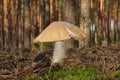
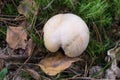
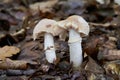
Cortinarius caperatus fungus Royalty Free Stock Photo
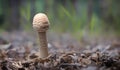
Cortinarius caperatus mushroom Royalty Free Stock Photo
Cortinarius caperatus. Gypsy mushroom in late summer on the Yamal Peninsula Royalty Free Stock Photo
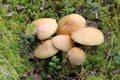
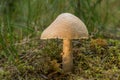
Cortinarius caperatus,  gypsy mushroom closeup Royalty Free Stock Photo
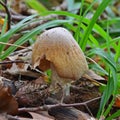
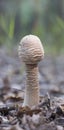
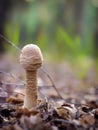
Cortinarius caperatus is a young fungus growing in the forest. Near the foot of the fungus, opavshye leaves Royalty Free Stock Photo
Cortinarius caperatus
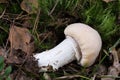
Cortinarius Caperatus, Commonly Known as the Gypsy Mushroom Royalty Free Stock Photo
Cortinarius caperatus. Gypsy mushroom is edible wild fungus. Brown mushroom, natural environment background. Royalty Free Stock Photo
Cortinarius caperatus is a young fungus growing in the forest. Near the foot of the fungus, opavshye leaves Royalty Free Stock Photo
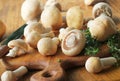
Raw Gypsy mushroom or Cortinarius caperatus mushrooms redy for cooking. Composition with wild mushrooms, herbs, onion Royalty Free Stock Photo
Cortinarius caperatus mushroom growing in the rainforest Royalty Free Stock Photo
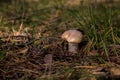
Edible mushroom Cortinarius caperatus in beech forest. Royalty Free Stock Photo
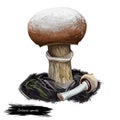
Cortinarius caperatus gypsy mushroom, Rozites caperata edible fungus mushroom isolated on white. Digital art illustration, natural Royalty Free Stock Photo
Cortinarius caperatus is an edible mushroom of the genus Cortinarius found in northern regions of Europe and North America. It was known as Rozites caperata for many years before genetic studies revealed that it belonged to the genus Cortinarius. The fruit bodies appear in autumn in coniferous and beech woods as well as heathlands in late summer and autumn. The ochre-coloured cap is up to 10 cm (4 in) across and has a fibrous surface. The clay-colored gills are attached to the stipe under the cap, and the stipe is whitish with a whitish ring. The Latin specific name, caperatus, means wrinkled, and refers to the distinctive texture of the cap. The flesh has a mild smell and flavor.Popular with mushroom foragers, C. caperatus is picked seasonally in throughout Europe. Although mild-tasting and highly regarded, the mushrooms are often infested with maggots. In central Europe, old specimens could be confused with the poisonous Inosperma erubescens in summer. Fruiting bodies of C. caperatus have been found to bioaccumulate mercury and radioactive isotopes of caesium.


Stockphotos.ro (c) 2026. All stock photos are provided by Dreamstime and are copyrighted by their respective owners.