colonnette
|
||||||||||||||
|
|
|
||||||||||||
|
||||||||||||||



Stockphotos.ro (c) 2025. All stock photos are provided by Dreamstime and are copyrighted by their respective owners.
colonnette |
||||||||||||||||||||||||||||||||||||||||
| navigate by keyword : 1822 antonio architecture atelier became bust canova colonnette death del delle europe famous fountain frech friend have his house italian italy landmark left marble medieval monument must neoclassical one outside palace palazzo piazza place popolo principles property roman rome sculptor sculptures seen square statue statues stendhal target today via visitors wirter years |
||||||||||||||||||||||||||||||||||||||||
|
||||||||||||||||||||||||||||||||||||||||
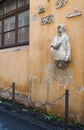
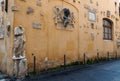
| Outside of the house and atelier of Antonio Canova in via delle Colonnette near piazza del Popolo in Rome, Italy. The Italian Neoclassical sculptor famous for his marble sculptures at his death in 1822 left the property to his friend Antonio D`Este. His atelier became for years one of the principles must have seen of visitors like the Frech wirter Stendhal. Today a bust of Canova and a target as marble fragments remeber the work of this great artist. |
||||||||||||||||||||||||||||||||||||||||
|
Stockphotos.ro (c) 2025. All stock photos are provided by Dreamstime and are copyrighted by their respective owners. |
||||||||||||||||||||||||||||||||||||||||