clover trifolium
|
||||||||||||||
|
|
|
||||||||||||
|
||||||||||||||






Stockphotos.ro (c) 2025. All stock photos are provided by Dreamstime and are copyrighted by their respective owners.
clover trifolium |
||||||||||||||||||||||||||||||||||||||||
| navigate by keyword : 300 abundant alone climates clover clovers common composting consisting crop cultivated europe extensively fabaceae family fertilizers fixes flowering fodder formed freely genus great green grows legume livestock long mixture mowings names nitrogen nutritious originating palatable pasturage pea plants pratense produces range reasons red reducing repeated repens ryegrass shooting silaging soils sown species staple synthetic time trefoil trifolium white |
||||||||||||||||||||||||||||||||||||||||
|
||||||||||||||||||||||||||||||||||||||||
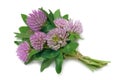
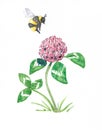
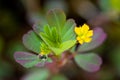
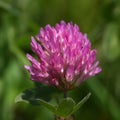
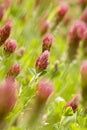
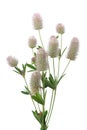
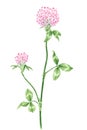
| Clover or trefoil are common names for plants of the genus Trifolium consisting of about 300 species of flowering plants in the legume or pea family Fabaceae originating in Europe. Several species of clover are extensively cultivated as fodder plants. The most widely cultivated clovers are white clover, Trifolium repens, and red clover, Trifolium pratense. Clover, either sown alone or in mixture with ryegrass, has for a long time formed a staple crop for silaging, for several reasons: it grows freely, shooting up again after repeated mowings it produces an abundant crop it is palatable to and nutritious for livestock it fixes nitrogen, reducing the need for synthetic fertilizers it grows in a great range of soils and climates and it is appropriate for either pasturage or green composting. |
||||||||||||||||||||||||||||||||||||||||
|
Stockphotos.ro (c) 2025. All stock photos are provided by Dreamstime and are copyrighted by their respective owners. |
||||||||||||||||||||||||||||||||||||||||