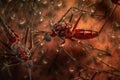
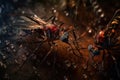
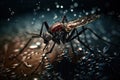
close view mosquito sucking blood
|
||||||||||||||
|
|
|
||||||||||||
|
||||||||||||||



Stockphotos.ro (c) 2025. All stock photos are provided by Dreamstime and are copyrighted by their respective owners.
close view mosquito sucking blood |
||||||||||||||||||||||||||||||||||||||||
| navigate by keyword : wing wildlife weevil spiderweb spider pest invertebrate insect fly dragonfly beetle arthropod animal mosquito bite skin blood disease pain sickness illness victim problem hazardous healthcare human medical irritation host sting attack threat risk transmit carrier epidermis reaction sucking itchy health malaria creature focused dangerous biology leg allergic body spread arm isolated tiny fever striped piercing public feeding infection bug white |
||||||||||||||||||||||||||||||||||||||||
|
||||||||||||||||||||||||||||||||||||||||
| Mosquitoes suck blood using needle-shaped mouthparts called proboscises, which they use to pierce the skin and reach blood vessels. When sucking blood, mosquitoes inject saliva containing anticoagulant compounds to prevent blood clotting and facilitate the sucking process. This saliva then triggers an immune response, which perceives it as a foreign substance, causing itching and the appearance of hives on the skin. Only female mosquitoes suck blood, as they need the protein and iron from blood to produce eggs, not as a source of nutrition for their own survival. |
||||||||||||||||||||||||||||||||||||||||
|
Stockphotos.ro (c) 2025. All stock photos are provided by Dreamstime and are copyrighted by their respective owners. |
||||||||||||||||||||||||||||||||||||||||