cape may warbler
|
||||||||||||||
|
|
|
||||||||||||
|
||||||||||||||



Stockphotos.ro (c) 2025. All stock photos are provided by Dreamstime and are copyrighted by their respective owners.
cape may warbler |
||||||||||||||||||||||||||||||||||||||||
| navigate by keyword : dazzling cohort spring warblers cape may warbler arrive balm mossy green back tiger striped breast chestnut cheek patch breeding season species lives remote human observers northern spruce fir forests nesting success tied chief food budworm caterpillar unusual specially shaped tongues sip nectar tropical flowers winter hummingbird feeders found resting seagrape mangrove tree desoto florida migration |
||||||||||||||||||||||||||||||||||||||||
|
||||||||||||||||||||||||||||||||||||||||
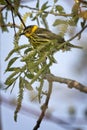
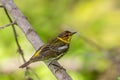
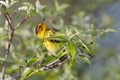
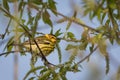
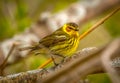
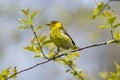
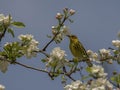
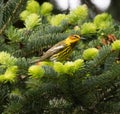
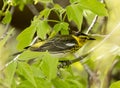
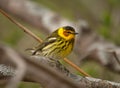
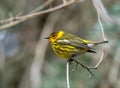
| Among the dazzling cohort of spring warblers, the first Cape May Warbler to arrive is a balm: its mossy green back, tiger-striped breast, and chestnut cheek patch make it unlike any other warbler. During the breeding season, the species lives remote from most human observers, in northern spruce-fir forests, where its nesting success is tied to its chief food, the spruce budworm caterpillar. These unusual warblers have specially shaped tongues that allow them to sip nectar from tropical flowers in winterââ¬âand sometimes from hummingbird feeders.Found here resting on a seagrape mangrove tree in Ft DeSoto, Florida during Migration. |
||||||||||||||||||||||||||||||||||||||||
|
Stockphotos.ro (c) 2025. All stock photos are provided by Dreamstime and are copyrighted by their respective owners. |
||||||||||||||||||||||||||||||||||||||||