bouganvillea
|
||||||||||||||
|
|
|
||||||||||||
|
||||||||||||||












Stockphotos.ro (c) 2026. All stock photos are provided by Dreamstime and are copyrighted by their respective owners.
bouganvillea |
||||||||||||||||||||||||||||||||||||||||
| navigate by keyword : although appearance attachment attractive behave best bougainvilleas bouganvillea bracts brilliantly climates climb colored colorful compact covers create cultivation cuttings downy drained dramatic drought during flowering flowers foliage frosts given ground hot impact ivory leaves light like little masses means moisture overall overfeeding petal plant plants position produce propagate remain results season sharp small soil some sony species summer sunny support taken tapering textured their thin thorns tolerant tubular unsupported using vigorously warm well yellow |
||||||||||||||||||||||||||||||||||||||||
|
||||||||||||||||||||||||||||||||||||||||
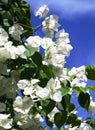
| If unsupported, these plants will remain compact or behave as ground covers, while if given support they will climb vigorously, using their sharp thorns as a means of attachment. While the thin-textured, downy, tapering leaves and small, tubular, ivory to yellow flowers play a role in the overall attractive appearance of these plants, it is the brilliantly colored petal-like bracts that create its dramatic impact. Cultivation All species do well in warm to hot climates and some species will tolerate light frosts. For best results, plant bougainvilleas in a light well-drained soil in a sunny position. Although drought tolerant, they need plenty of moisture during the flowering season. Overfeeding will produce masses of foliage but very little in the way of colorful bracts. Propagate from cuttings taken in summer. |
||||||||||||||||||||||||||||||||||||||||
|
Stockphotos.ro (c) 2026. All stock photos are provided by Dreamstime and are copyrighted by their respective owners. |
||||||||||||||||||||||||||||||||||||||||