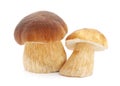
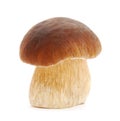
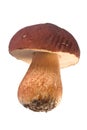
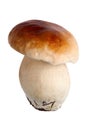
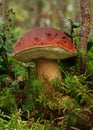
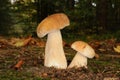
boletus edulis

navigate by keyword : nature mushroom fungus autumn forest woodland quail sulphur tuft clustered woodlover mushrooms saprotrophic small gill prolifically clumps stumps dead roots rotting trunks broadleaved bitter poisonous toxins fasciculols calmodulin inhibitors wood basidiomycete forests species physalacriaceae pathogenic deciduous pathogen mycelium bioluminescent base boletus edulis porcino porcini plantations symbiotic ectomycorrhizal underground sheaths fungal tissue spore bearing ground large cap boletes tubes gills spores tube pores pore stout stipe stem tall covered network pattern reticulations

Penny bun fungus (Boletus edulis) Royalty Free Stock Photo
The boletus edulis mushroom Royalty Free Stock Photo
Boletus edulis Royalty Free Stock Photo
Boletus Edulis Royalty Free Stock Photo
Boletus edulis Royalty Free Stock Photo
King Bolete. Porcini mushroom. Boletus edulis. Penny bun, cep, porcino or porcini. Royalty Free Stock Photo
Boletus edulis
Islolated Boletus edulis Royalty Free Stock Photo
Porcini or Boletus Edulis mushroom Royalty Free Stock Photo
King Bolete. Porcini mushroom. Boletus edulis. Penny bun, cep, porcino or porcini. Royalty Free Stock Photo
Boletus edulis in forest Royalty Free Stock Photo
Boletus edulis fungus Royalty Free Stock Photo
Boletus edulis (English: cep, penny bun, porcino or porcini) is a basidiomycete fungus, and the type species of the genus Boletus. The fungus grows in deciduous and coniferous forests and tree plantations, forming symbiotic ectomycorrhizal associations with living trees by enveloping the tree's underground roots with sheaths of fungal tissue. The fungus produces spore-bearing fruit bodies above ground in summer and autumn. The fruit body has a large brown cap which on occasion can reach 30 cm (12 in), rarely 40 cm (16 in) in diameter and 3 kg (6 lb 10 oz) in weight. Like other boletes, it has tubes extending downward from the underside of the cap, rather than gills spores escape at maturity through the tube openings, or pores. The pore surface of the B. edulis fruit body is whitish when young, but ages to a greenish-yellow. The stout stipe, or stem, is white or yellowish in colour, up to 20 cm (8 in), rarely 30 cm (12 in) tall and 10 cm (4 in) thick, and partially covered with a raised network pattern, or reticulations.


Stockphotos.ro (c) 2025. All stock photos are provided by Dreamstime and are copyrighted by their respective owners.