beekeeping
|
||||||||||||||
|
|
|
||||||||||||
|
||||||||||||||









Stockphotos.ro (c) 2025. All stock photos are provided by Dreamstime and are copyrighted by their respective owners.
beekeeping |
||||||||||||||||||||||||||||||||||||||||
| navigate by keyword : and antiquity are artificial attempt baskets bce beekeeping bees before began blowing boxes cylindrical depicted depicting detailing domesticate dynasty egypt fifth found from goods grave hives hollow honey honeybees honeycombs humans ini inscriptions into jars kept logs made nyuserre pabasa pharaohs point pots pottery pouring production removing sealed sixth skeps smoke some straw such sun temple the they tomb tutankhamun twenty vessels walls were wild wooden workers woven |
||||||||||||||||||||||||||||||||||||||||
|
||||||||||||||||||||||||||||||||||||||||
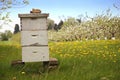
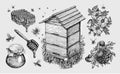
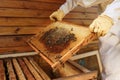
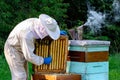
| At some point humans began to attempt to domesticate wild bees in artificial hives made from hollow logs, wooden boxes, pottery vessels, and woven straw baskets or skeps. Honeybees were kept in Egypt from antiquity.[2] On the walls of the sun temple of Nyuserre Ini from the Fifth Dynasty, before 2422 BCE, workers are depicted blowing smoke into hives as they are removing honeycombs.[3][4] Inscriptions detailing the production of honey are found on the tomb of Pabasa from the Twenty-sixth Dynasty (c. 650 BCE), depicting pouring honey in jars and cylindrical hives.[5] Sealed pots of honey were found in the grave goods of pharaohs such as Tutankhamun. |
||||||||||||||||||||||||||||||||||||||||
|
Stockphotos.ro (c) 2025. All stock photos are provided by Dreamstime and are copyrighted by their respective owners. |
||||||||||||||||||||||||||||||||||||||||