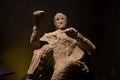
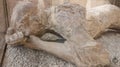
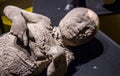
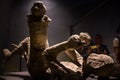
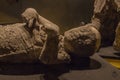
beatiful view the city herculano
|
||||||||||||||
|
|
|
|
||||||||||||
|
||||||||||||||




Stockphotos.ro (c) 2025. All stock photos are provided by Dreamstime and are copyrighted by their respective owners.
beatiful view the city herculano |
||||||||||||||||||||||||||||||||||||||||
| navigate by keyword : amphiteater ascending august beatiful because began bodies buried cataclysm cities city destroyed disappear disappearance effects ercolano escape estrabia first found happened herculano hours humans italy morning mouth only outsider plume pompeii population previous remains rich rise roman signs smoke streets such thelegacyofthesoul thephotoemotion thought time vesuvius view volcanic volcano |
||||||||||||||||||||||||||||||||||||||||
|
||||||||||||||||||||||||||||||||||||||||
| On the morning of August 24, 79 AD, a plume of smoke began to rise from the Vesuvius volcano, Italy. The population thought that it was a smoke escape, because it had happened in previous years. But this time it would not be like that, and only 24 hours after those first signs of smoke ascending through the mouth of the volcano, Roman cities such as Pompeii, Estrabia and Ercolano would be destroyed and buried under the effects of a volcanic cataclysm. Pompeii, the Roman city of the rich, would disappear, only to be found 2000 years after its ââ¬Ådisappearanceââ¬Â. |
||||||||||||||||||||||||||||||||||||||||
|
Stockphotos.ro (c) 2025. All stock photos are provided by Dreamstime and are copyrighted by their respective owners. |
||||||||||||||||||||||||||||||||||||||||