baobab tree

navigate by keyword : adansonia africa african baobab bark boab boaboa bottle bread condiments cork east edible huge leafless leaves life medicines monkey morogoro potential roots rope stem tanzania tanzanian tree trees trunk upside vitamin

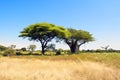
Baobab tree and Acacia in Botswana Royalty Free Stock Photo
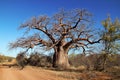
Baobab tree, Madagascar Royalty Free Stock Photo
Baobab Tree Royalty Free Stock Photo
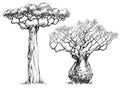
Boab Baobab Tree Vector Painting. Royalty Free Stock Photo
Silhouette of a baobab tree Royalty Free Stock Photo
Typical trees of Madagascar known as Adansonia, baobab, bottle tree or monkey bread with a night sky in the background Royalty Free Stock Photo
Isolated Baobab Royalty Free Stock Photo
Baobab Tree
Boab or Baobab Tree Vector isolated, tree silhouette logo concept icon Royalty Free Stock Photo
African baobab tree icon emblem Royalty Free Stock Photo
Baobab tree Royalty Free Stock Photo
Set of black baobab tree silhouettes Royalty Free Stock Photo
Large baobab tree in savanna during the dry season, Limpopo province, South Africa Royalty Free Stock Photo
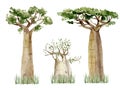
Watercolor Baobab tree set isolated on white background. Hand drawn illustration of nature Africa. Royalty Free Stock Photo
Baobab Tree at Sunset - African Landscape - Calm - Relaxing - Tranquility Royalty Free Stock Photo
Baobab tree in the Morogoro area of Tanzania, East Africa. Baobab is the common name of a genus of trees (Adansonia). There are eight species. Six species live in Madagascar, one in mainland Africa, and one in Australia. The baobab is the national tree of Madagascar. Other common names include “boab”, “boaboa”, “bottle tree”, “the tree of life”, “upside-down tree”, and “monkey bread tree”. The trees reach heights of 5 to 30 m (16 to 98 ft) and trunk diameters of 7 to 11 m (23 to 36 ft). Its trunk can hold up to 120,000 liters of water. For most of the year, the tree is leafless, and looks very much like it has its roots sticking up in the air. The cork-like bark and huge stem are fire resistant and are used for making cloth and rope. The leaves are used as condiments and medicines. The fruit, called “monkey bread”, is edible, and full of vitamin C. As of 2010 experts estimate the potential international market at a billion dollars a year.


Stockphotos.ro (c) 2025. All stock photos are provided by Dreamstime and are copyrighted by their respective owners.