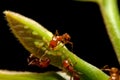
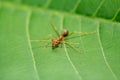
ant and little leaf
|
||||||||||||||
|
|
|
||||||||||||
|
||||||||||||||







Stockphotos.ro (c) 2026. All stock photos are provided by Dreamstime and are copyrighted by their respective owners.
ant and little leaf |
||||||||||||||||||||||||||||||||||||||||
| navigate by keyword : 000 800 ancestors animal ant antennae ants bees belong branch classified considerable cretaceous distinctive diversified diversity earlier early easily elbowed estimated eusocial evolved family flower flowering food formicidae forms fossil geniculate globe grass green group hymenoptera identified insect insects invertebrate late latest leaf little nature node like order origin period petal plant plants produce rise shrub slender species structure suggesting sunlight total tree vespoid waists wasp wasps yellow |
||||||||||||||||||||||||||||||||||||||||
|
||||||||||||||||||||||||||||||||||||||||
| Ants are eusocial insects of the family Formicidae and, along with the related wasps and bees, belong to the order Hymenoptera. Ants appear in the fossil record across the globe in considerable diversity during the latest Early Cretaceous and early Late Cretaceous, suggesting an earlier origin. Ants evolved from vespoid wasp ancestors in the Cretaceous period, and diversified after the rise of flowering plants. More than 13,800 of an estimated total of 22,000 species have been classified. They are easily identified by their geniculate (elbowed) antennae and the distinctive node-like structure that forms their slender waists. |
||||||||||||||||||||||||||||||||||||||||
|
Stockphotos.ro (c) 2026. All stock photos are provided by Dreamstime and are copyrighted by their respective owners. |
||||||||||||||||||||||||||||||||||||||||