angry bird seagull

navigate by keyword : adult angry auks bills bird birds black carnivores coastal cognate crabs dutch feet fish french genera genus german grey ground gull gulls herring inland jaws laridae larus longish mouette nesting plumage polyphyletic scavenge sea seabirds seagulls skimmers species squawking sternidae waders wailing webbed white wings

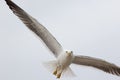
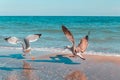
Angry bird  seagull on the beach Royalty Free Stock Photo
Angry Bird Seagull Tells Humans Keep Out Royalty Free Stock Photo
Angry Bird Seagull Royalty Free Stock Photo
Angry bird. Grumpy looking seagull searching to steal food. Royalty Free Stock Photo
A large white seagull chases another bird by the sea on a sunny day. Angry bird hunting for food Royalty Free Stock Photo
Angry seagull Royalty Free Stock Photo
Angry Bird Royalty Free Stock Photo
Angry Bird Seagull
Angry seagull bird at seaside coastline in summer morning Royalty Free Stock Photo
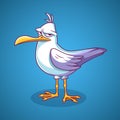
Seagull illustration in cartoon style. Angry bird character Royalty Free Stock Photo
Head of angry Seagull isolated on white background. Royalty Free Stock Photo
Angry Yellow-Legged Gull or Seagull Preparing for Fist Fight Mascot Black and White Royalty Free Stock Photo
Angry Seagull Mascot Royalty Free Stock Photo
An angry seagull or a gull standing on a stone wall Royalty Free Stock Photo
Grumpy Cartoon Seagull With an Angry Expression on White Backdrop Royalty Free Stock Photo
Gulls or seagulls are seabirds of the family Laridae in the sub-order Lari. They are most closely related to the terns (family Sternidae) and only distantly related to auks, skimmers, and more distantly to the waders. Until the twenty-first century most gulls were placed in the genus Larus, but this arrangement is now known to be polyphyletic, leading to the resurrection of several genera. An older name for gulls is mew, cognate with German Möwe, Danish måge, Dutch meeuw and French mouette; this term can still be found in certain regional dialects. Gulls are typically medium to large birds, usually grey or white, often with black markings on the head or wings. They typically have harsh wailing or squawking calls, stout, longish bills, and webbed feet. Most gulls, particularly Larus species, are ground-nesting carnivores, which will take live food or scavenge opportunistically. Live food often includes crabs and small fish. Gulls have unhinging jaws which allow them to consume large prey. Apart from the kittiwakes, gulls are typically coastal or inland species, rarely venturing far out to sea. The large species take up to four years to attain full adult plumage, but two years is typical for small gulls. Large white-headed gulls are typically long-lived birds, with a maximum age of 49 years recorded for the herring gull.


Stockphotos.ro (c) 2025. All stock photos are provided by Dreamstime and are copyrighted by their respective owners.