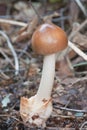
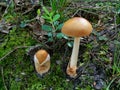
amanita fulva
|
||||||||||||||
|
|
|
||||||||||||
|
||||||||||||||




Stockphotos.ro (c) 2026. All stock photos are provided by Dreamstime and are copyrighted by their respective owners.
amanita fulva |
||||||||||||||||||||||||||||||||||||||||
| navigate by keyword : nature mushroom fungus autumn leaf forest woodland wildlife flower tree soil amanita fulva jacob christian sch ffer 1774 historically tawny grisette vaginata genus amanitopsis ring species distinction insufficient warrant separate nowadays ringless vaginatae classification bas |
||||||||||||||||||||||||||||||||||||||||
|
||||||||||||||||||||||||||||||||||||||||
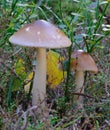
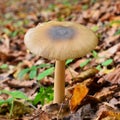
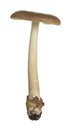
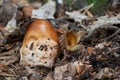
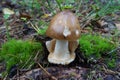
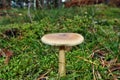
| Amanita fulva was first described by Jacob Christian Schäffer in 1774.[1] Historically, both the tawny grisette and the grisette (A. vaginata) were placed in the genus Amanitopsis due to their lack of a ring, unlike other Amanita species. However this distinction is now seen as insufficient to warrant a separate genus. Nowadays, A. fulva and similar ringless species of Amanita are placed in the section Vaginatae ss according to the classification of Bas.[3] |
||||||||||||||||||||||||||||||||||||||||
|
Stockphotos.ro (c) 2026. All stock photos are provided by Dreamstime and are copyrighted by their respective owners. |
||||||||||||||||||||||||||||||||||||||||